
Breaking Up With Chaos
took myself on a date—their name was optimism

There’s a silence that hits right before your life changes—not the kind with angel numbers and burning sage, but the kind nobody talks about. The kind that feels like nothing is happening. The kind that feels like maybe you made it all up. Where you’re doing everything “right” and still it looks like nothing is happening. No callbacks. No approvals. No momentum. Just you, your routine, and a quiet room full of doubt. The kind where your old patterns start itching under your skin, begging you to react, spiral, argue, obsess, panic—anything to feel familiar.
That silence is where I realized something uncomfortable:
I wasn’t struggling with bad luck. I was struggling with a bad relationship:
with chaos.

That’s the space nobody prepares you for; the space between chaos and alignment. The emotional detox, and withdrawal from urgency. The stillness almost feels offensive when you’re used to powering your way through life. And if you’re anything like me, you spent years surviving by staying two steps ahead of the next problem, rehearsing disaster like it was a full-time job. Not because you’re dramatic, but because you were trained by experiences that told you: If you’re not bracing for impact, you’re already behind.
Chaos used to feel like home.
Psychology has a name for this: trauma familiarity. It’s when your nervous system gets so used to emotional instability that peace feels like a setup. Love feels threatening. Stability feels like a lie. You anticipate disappointment just to feel safer when it arrives. You self-sabotage because relief feels foreign. And humans don’t actually fear pain—we fear the unfamiliar
We don’t admit this out loud because it sounds crazy, but let’s be honest. Some of us grew up so used to emotional emergencies that peace feels suspicious. Progress feels foreign. Momentum feels like a setup. Chaos became our way to confirm reality—because stability never felt safe long enough to trust it.
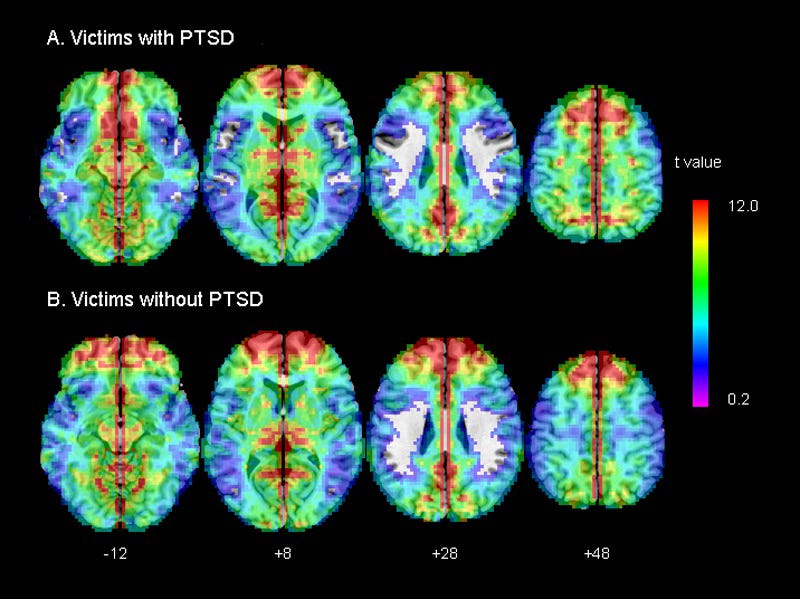
Which explains why a lot of creatives confuse turbulence with purpose.
We think the pain makes the art pure. The chaos makes the story worth telling. Healing? Stability? Peace? That sounds like laziness. We grew up on the myth that great things only come from struggle. We saw troubled geniuses glamorized—Basquiat. Winehouse. Cobain. Billie Holiday. Sylvia Plath. The tortured artist narrative has been force-fed through culture so long that peace now looks like dishonesty—your nervous system clings to what it knows, even when it hurts. That’s why people return to toxic friendships, self-sabotage when things get good, or panic when they’re finally not broke. It’s not stupidity—it’s conditioning. When your mind is raised in a storm, stillness feels like danger.
But let’s be clear: chaos doesn’t make you real, it makes you unavailable. Unavailable to ideas, to inspiration, to good people, to divine timing. Chaos burns the oxygen creativity needs to breathe.

The problem wasn’t life—it was my reaction to life
Some people misunderstand growth. They think healing means that life suddenly becomes easy. That bills pay themselves and your inbox turns into a brand deal farm. Reality check: life stays lifing. But healing changes your response to it.
I used to think if I wasn’t stressed, I wasn’t progressing. If I wasn’t sprinting, I was failing. Rest felt like guilt. Ease felt like cheating. I was addicted to the performance of trying. Holding things together. Fixing everything. Chasing meaning in exhaustion. Reality check: Overfunctioning is not personality—it’s protection.
And protection is great until it becomes a prison.
One day I had to ask myself:
Who am I without emergency?
Do I even know how to exist without fixing everything?
Or worse—who am I if I stop explaining myself to people who are committed to misunderstanding me?
The question isn’t “why is this happening to me?” anymore. It becomes “what’s the most honest thing I can do right now, then let go?”
Real growth is not soft or aesthetic. It’s not just sage, baths, and playlists. It’s discipline, and catching yourself before you spiral saying:
“No. We don’t do panic anymore.”
“No. We don’t force things anymore.”
“No. We don’t argue with reality anymore.”
At some point, maturity looks like learning to stop touching things that are already falling apart.
Dialectical Behavior Therapy (DBT) defines radical acceptance as the decision to stop resisting reality and meet it exactly as it is—without denial, blame, or panic. Research shows it reduces emotional suffering by removing resistance.
Translation: Life hurts less when you stop arguing with it.
Acceptance is simply acknowledging the truth of a situation without wasting energy fighting it. Acceptance creates energy margin which is room in your mind to solve, adapt, or move forward.
The University of Washington even found patients using radical acceptance were able to lower emotional distress by up to 75%—not because their lives changed, but because their resistance did.
I didn’t wake up magically healed. My external life didn’t suddenly align because I journaled twice and did a vision board. I had real life happening: no job offer yet, bills hanging by a thread, projects in limbo, people ghosting—but something shifted:
I stopped treating every inconvenience like a personal attack.
Instead of spiraling, I started asking:
“Have I done everything I can here? Yes? Then my only job now is to stay available; not desperate.”
I didn’t become naïve or overly positive. I just stopped glorifying pain as my personality trait. I started choosing neutrality over panic. Surrender over forcing. Strategy over spirals. I started saying things like:
“If it’s meant, it will return with clarity.”
“If it doesn’t align, I release it with no malice.”
“The universe has better solutions than my anxiety ever did.”
And that’s when I met someone new… someone I never thought I’d date or meet again: optimism.
Not delusion. Not toxic positivity. Just a calm, resilient optimism that says:
“Until there’s a real reason to panic, I choose not to.”
Breaking up with chaos is a creative decision.
Creativity can’t live in fear. It needs breath, space, and time. Octavia Butler didn’t write Parable of the Sower by screaming at her circumstances. Miles Davis didn’t invent cool jazz by panicking. At some point, you have to graduate from reacting. You have to learn how to hold space for tension without folding under it. You have to build a nervous system that can tolerate your future.
Because your next chapter isn’t coming to find you if you’re still emotionally renting a room in your past.
James Baldwin once wrote: “Not everything that is faced can be changed. But nothing can be changed until it is faced.”
Facing chaos doesn’t mean fighting it. Sometimes it means treating it like an ex you finally stop texting back.
Artists know this better than anyone. You can’t create anything meaningful from panic. Creativity needs oxygen. Chaos eats it alive. That’s why J Dilla made beats barefoot on the floor—calm body, sharp mind; and why Agnes Martin said art is born in a “state of innocence”—not war. Chaos doesn’t make you real. Stillness does.
When you stop arguing with life, life stops arguing back
Breaking up with chaos doesn’t always look glamorous. Sometimes it looks like:
Returning to your routine instead of starting a fight.
Choosing silence over over-explaining.
Focusing on one small step instead of 47 fantasies.
Staying grounded even when everything around you is unfinished.
Chaos trains you to react. Peace trains you to respond. And response is where your power lives.
Mini Reflection: Do this right now
Ask yourself:
Where do I confuse panic with productivity?
What situations am I making worse by trying to control?
Am I addicted to urgency because I don’t trust timing?
Does my nervous system even know what peace feels like?
Final Word
If you’re in a new season but feel mentally trapped in the old one, this is the work now. You learn to calm your impulses. You stop projecting worst-case scenarios. You leave space for life to surprise you.
Because the universe only matches frequency. And chaos is a frequency.
Peace is not found. It’s practiced. Daily. Hourly. Thought by thought.
And maybe real alignment starts when you finally say:
“I don’t chase.”
Break up with it before it breaks you. Choose your peace before your breakthrough. The new life you’re asking for isn’t waiting on a blessing—it’s waiting on your nervous system to be available for one.
If this hit, share it. If you’re learning to retire survival mode, subscribe. We’re building a home for people rewriting their lives from the inside out—slowly, honestly, and with receipts.